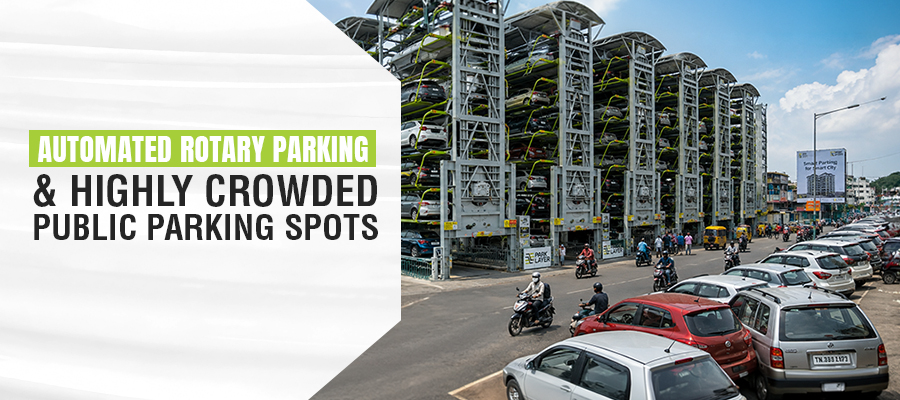
Walk into any hospital compound, college campus, or bustling market area in India, and the picture will be pretty much the same. Motorbikes squeezed into every available parking spot, overflowing onto sidewalks, causing obstruction outside shop fronts and reducing already cramped streets to only one lane. The problem is not that people leave them parked haphazardly without any reason. It is just that there is simply nowhere else to park them as the spaces which do exist get filled up in the first hour of the day.
There are well over 200 million motorbikes registered in India, and the numbers have been increasing year after year for more than a decade now. Managing the spaces for them in densely populated urban centers has become one of the practical challenges of city planning.
Why two-wheeler parking is harder to solve than car parking
Cars are easier to count and allocate for. Most building regulations specify a minimum number of car parking slots, and developers plan for them, however imperfectly. Two-wheelers are different. They are expected to create room on their own and park informally by walls, under stairwells, or wherever there happens to be any available space. Consequently, bike sheds meant for 200 bicycles are forced to accommodate 600 bicycles, leaving the excess for others to worry about.
The challenge is not just volume. Two-wheelers arrive and leave in irregular patterns throughout the day, are parked for varying durations, and take up different amounts of space depending on how informally they are arranged. Managing this manually requires constant attendant presence with limited results.
How a bike rotary parking system works
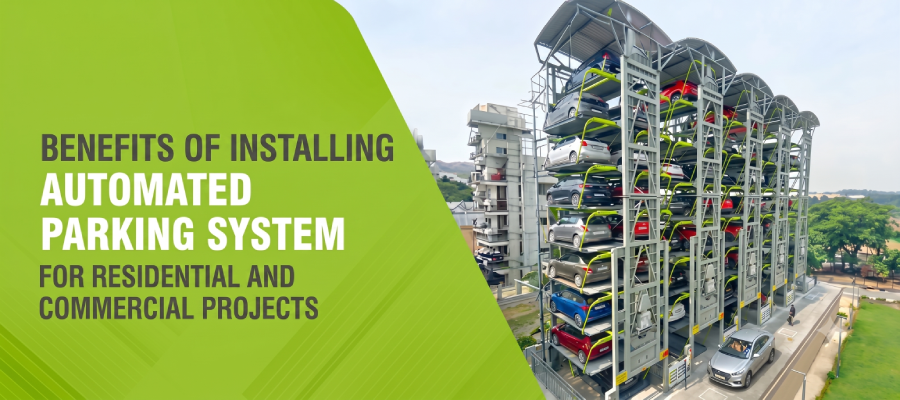
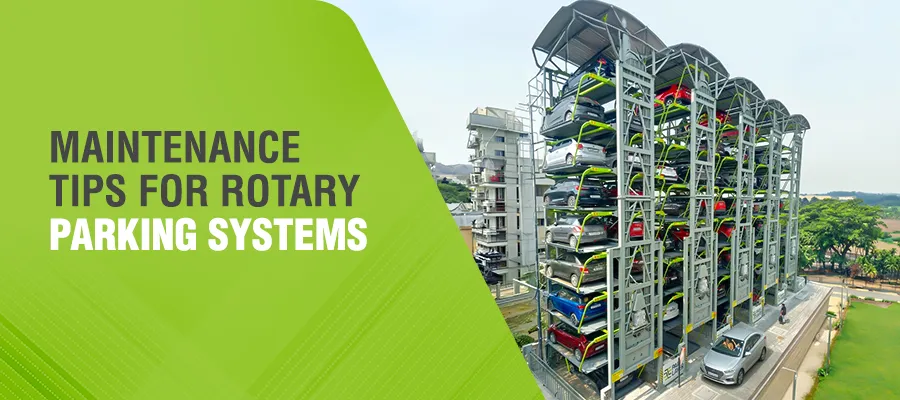
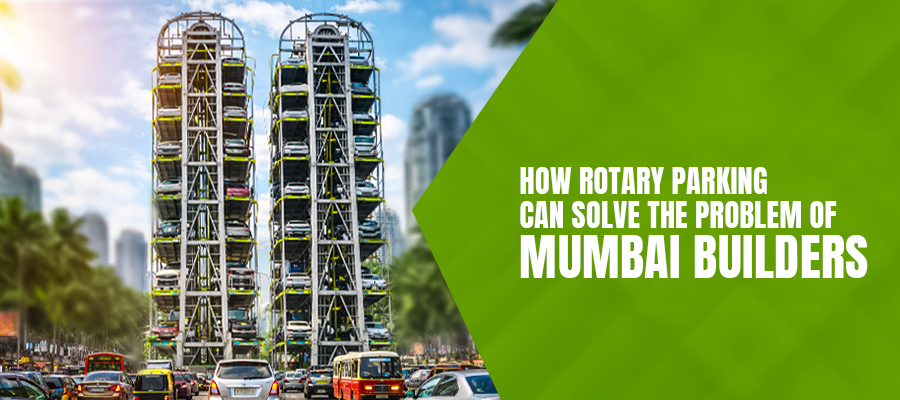
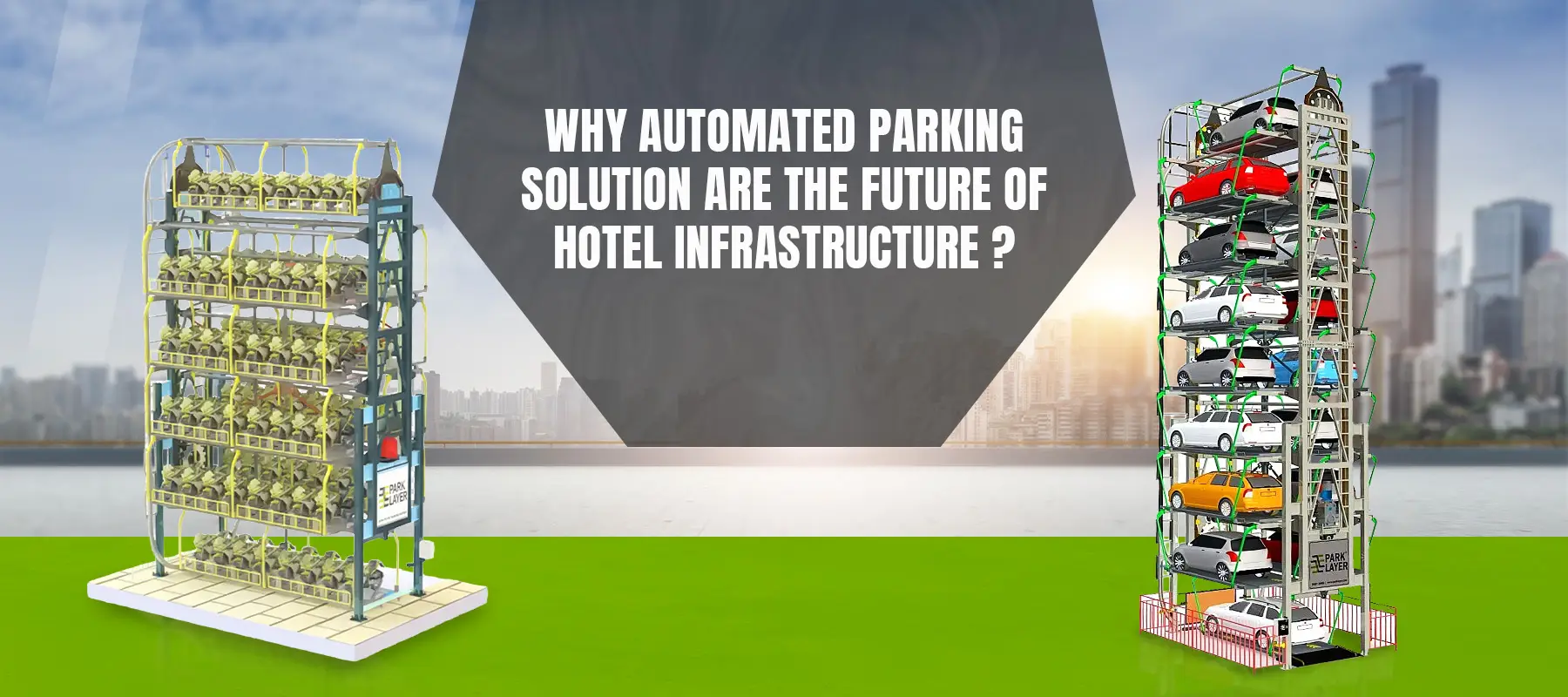
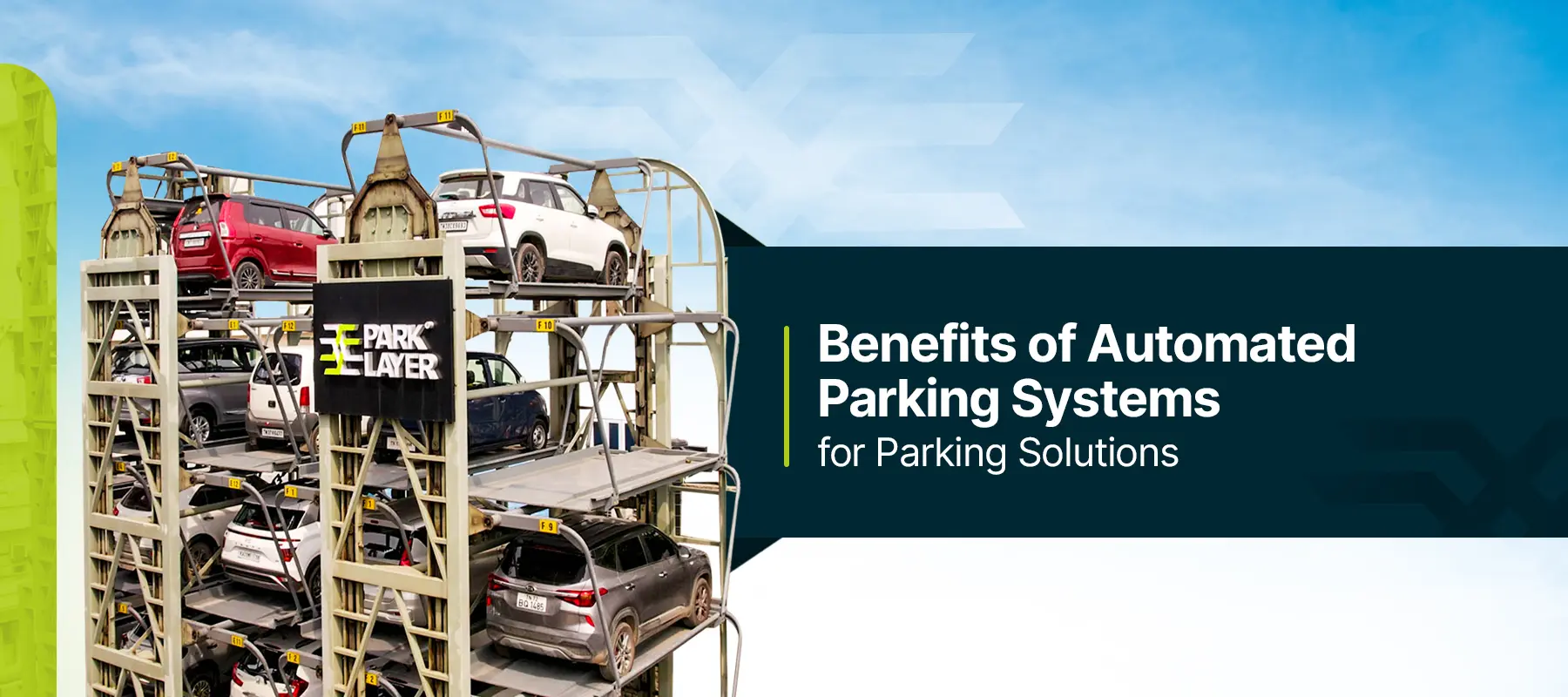
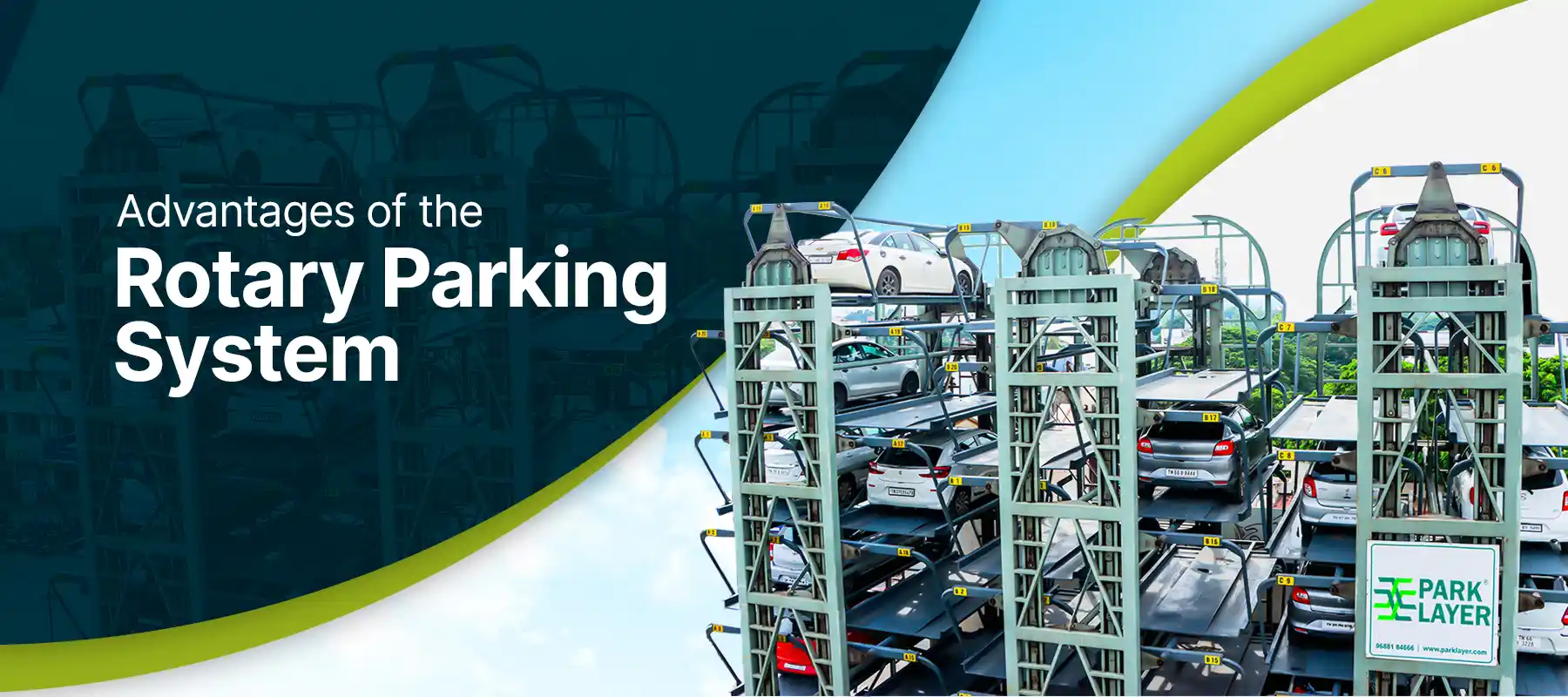
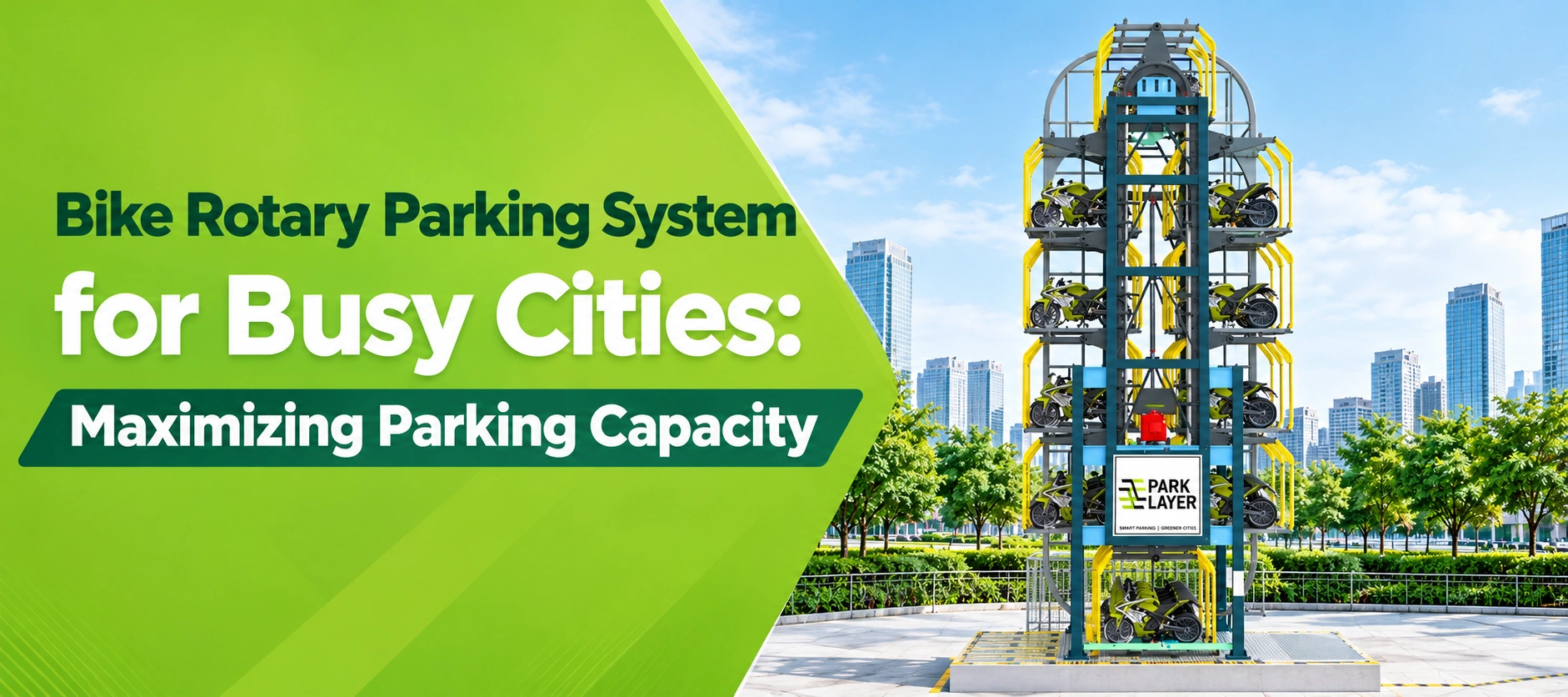
A bike rotary parking system applies the same vertical carousel principle used in car parking systems, scaled for two-wheelers. Bicycles and motorcycles are loaded onto individual platforms that rotate along a fixed frame, bringing each platform to ground level for retrieval when needed. The system has the capacity to handle far more vehicles per square feet than traditional bike parking bays without needing ramps, walkways, or open spaces.
In a hospital where there are 300 bikes being parked in an area of land and the surroundings, the rotary system would allow for this quantity of bikes to be stored in much less space.
Where this makes the most difference
Educational institutions are among the most immediate candidates. A college with 2,000 students and a constrained campus has no practical way to accommodate two-wheeler volumes through conventional parking bays. A rotary system installed within the compound boundary changes what is achievable without acquiring new land.
Hospitals, particularly those with outpatient departments seeing high daily footfall, face a version of the same problem. Patients and attendants arriving on two-wheelers need fast access and a reliable retrieval system when they leave. A bike rotary system handles both without requiring staff to manually sort through hundreds of vehicles.
Commercial complexes and office parks in Tier 2 cities, where two-wheeler commuting is more common than car commuting, represent another significant opportunity. Providing organised, covered, and secure two-wheeler parking becomes a genuine workplace amenity rather than a basic requirement.
Security and protection
Conventional bike parking is exposed to theft, weather damage, and accidental scratches from the density of vehicles packed into a limited space. A rotary system stores each vehicle on an individual platform in an enclosed or semi-enclosed structure. This process involves the use of the user's unique token or password, thereby eliminating any casual theft, as well as preventing damage to the bikes caused by leaning against each other all through a working day.
In the case of coastal and monsoon-exposed areas, the mechanical storing system prevents the risk of corrosion and water damage, which reduces the life span of the bikes stored out in the open.
Installation in constrained sites
The footprint advantage of rotary bike parking systems is particularly relevant in Indian urban contexts, where institutions and commercial facilities rarely have surplus land available. A single rotary unit can be installed along a boundary wall, in a narrow strip between two buildings, or within an existing compound without major civil work or demolition. Installation timelines are significantly shorter than conventional multi-storey bike parking structures, which means facilities do not need to suspend operations during the process.
The wider urban picture
As Indian cities look for practical responses to two-wheeler congestion, the solutions that work at scale will be the ones that require no additional land, integrate quickly into existing facilities, and operate reliably under the kind of continuous daily use that institutional parking demands. Rotary bike parking systems meet all three conditions. For city planners, institution administrators, and commercial developers thinking seriously about how two-wheeler parking gets managed over the next decade, mechanical vertical storage is the direction the problem is already pointing toward.
© 2026. Parklayer Pvt Ltd. All rights reserved.