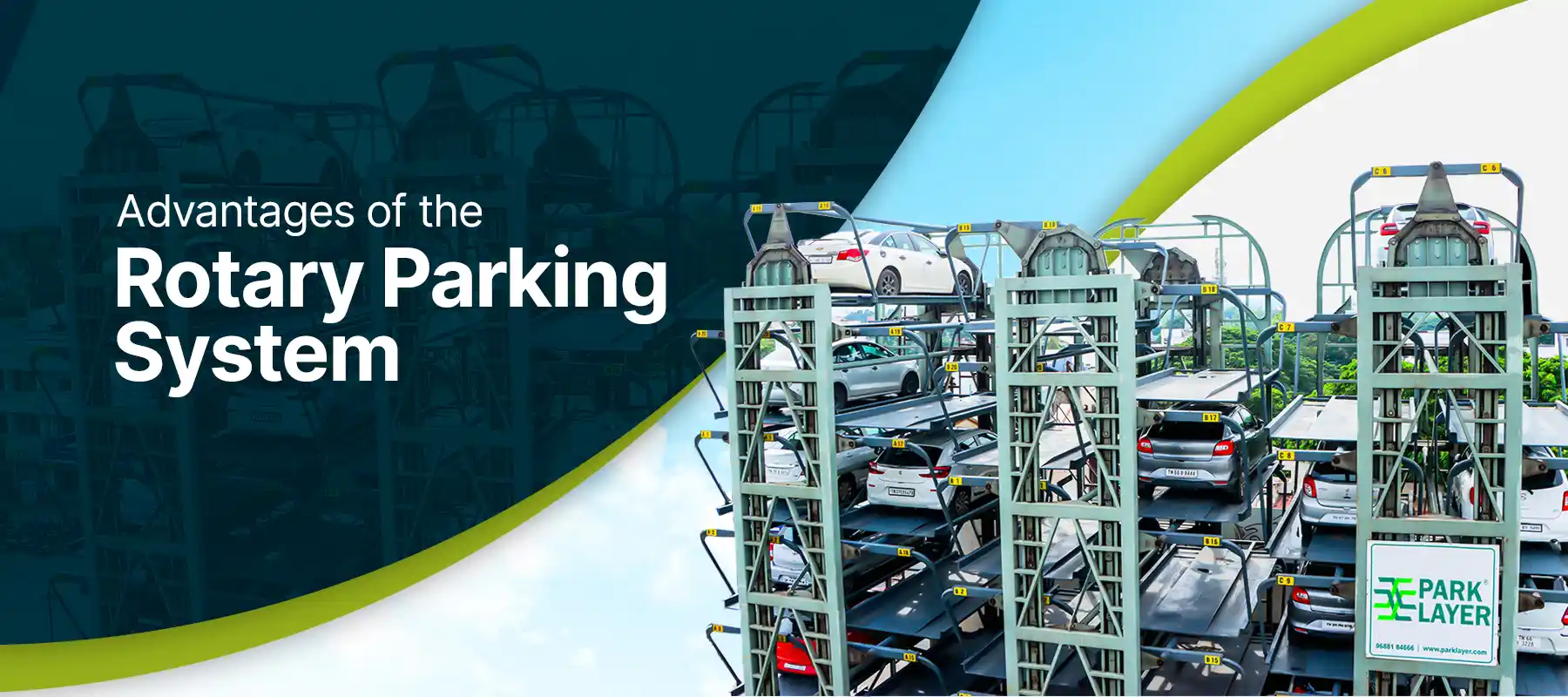

Parking space is hardly something that comes first to the mind of an architect or a real estate developer when he or she is developing a project. Parking usually comes in late in the development process after decisions have been made on what will go into the design, amenities, and budget. But parking space is usually the first thing that residents notice as soon as they move in. It is also the first thing that customers experience as soon as they park outside a store.
More cars in the same footprint
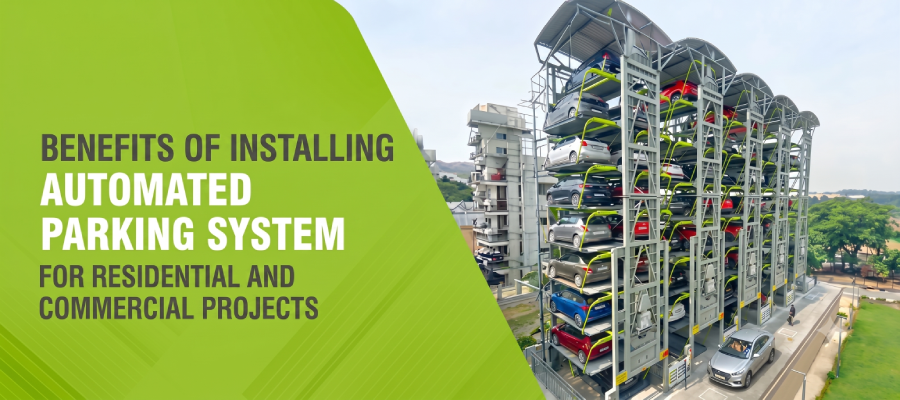
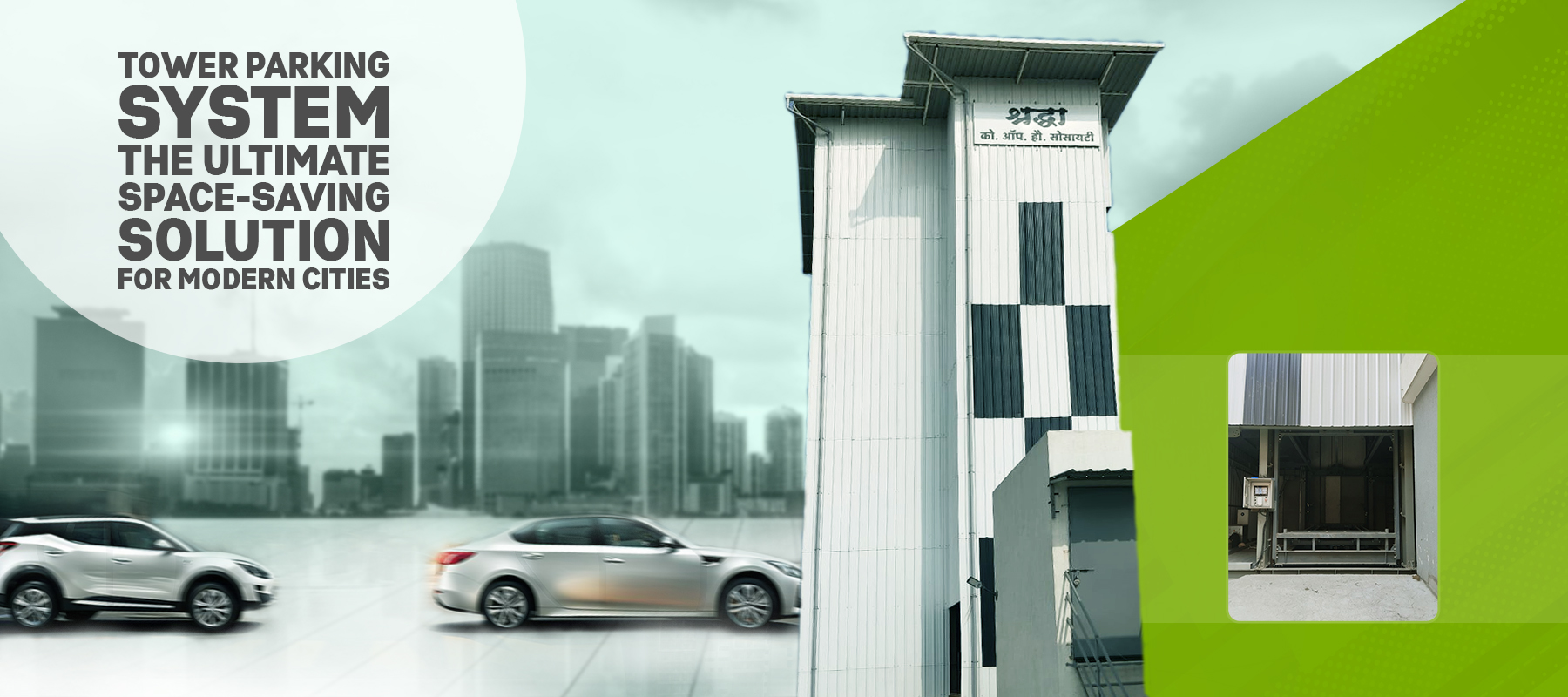
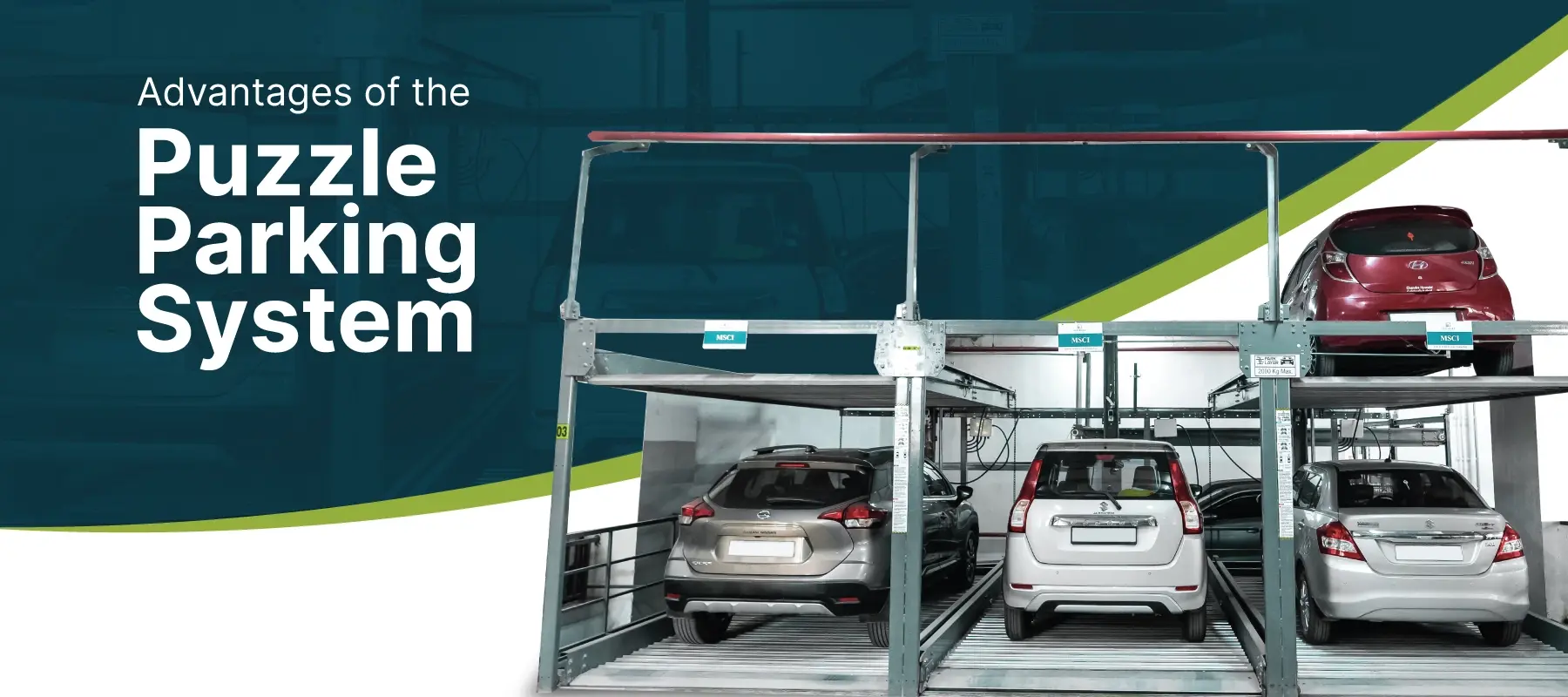
The most immediate benefit of an automated parking system is the number of vehicles it can accommodate within a fixed area. Conventional parking, with its ramps, turning radii, and circulation space, utilizes only a tiny portion of its allocated space for actual car storage. Conventional parking structures with a capacity of 100 cars can require 30 to 50 percent more space than an equivalent automated parking facility.
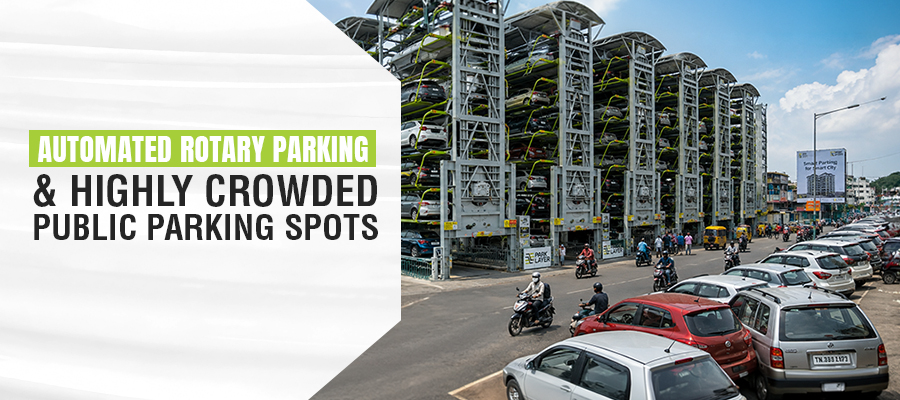
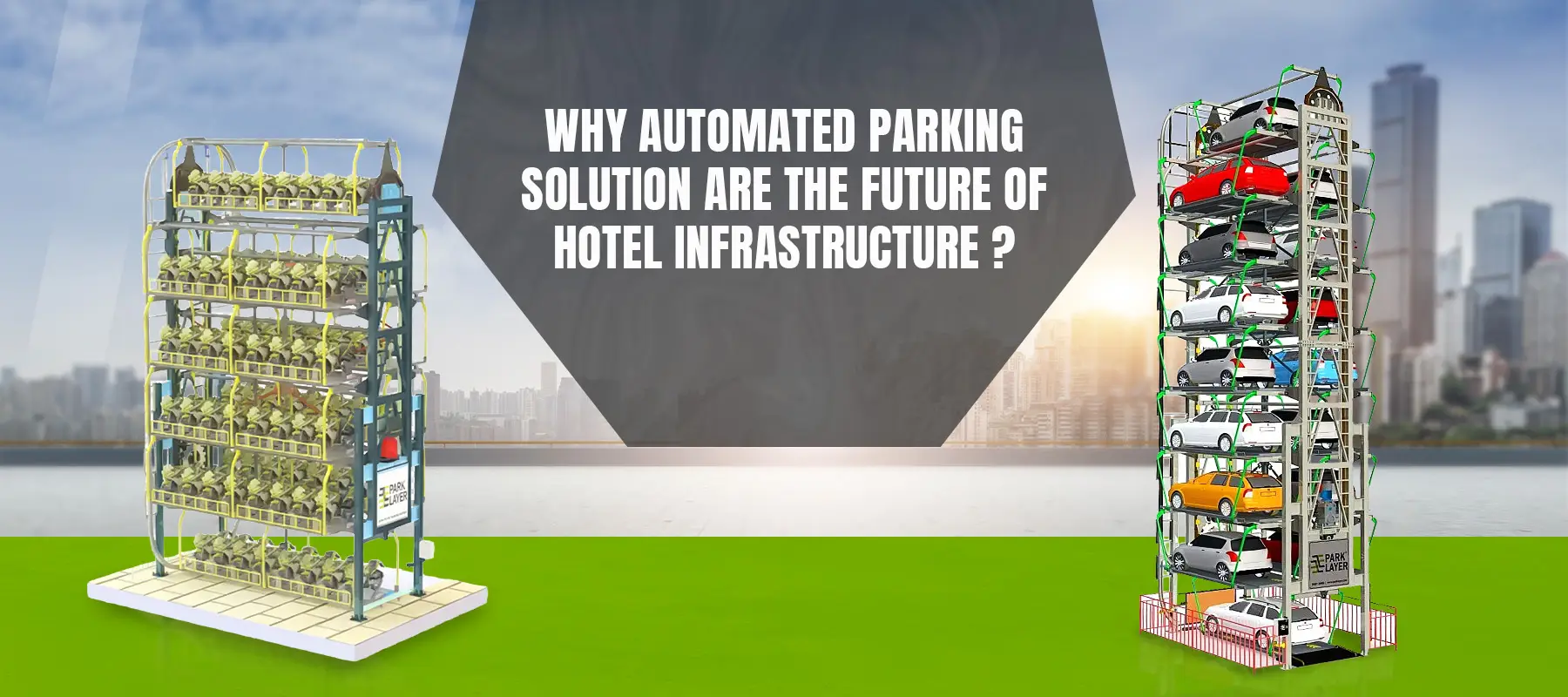
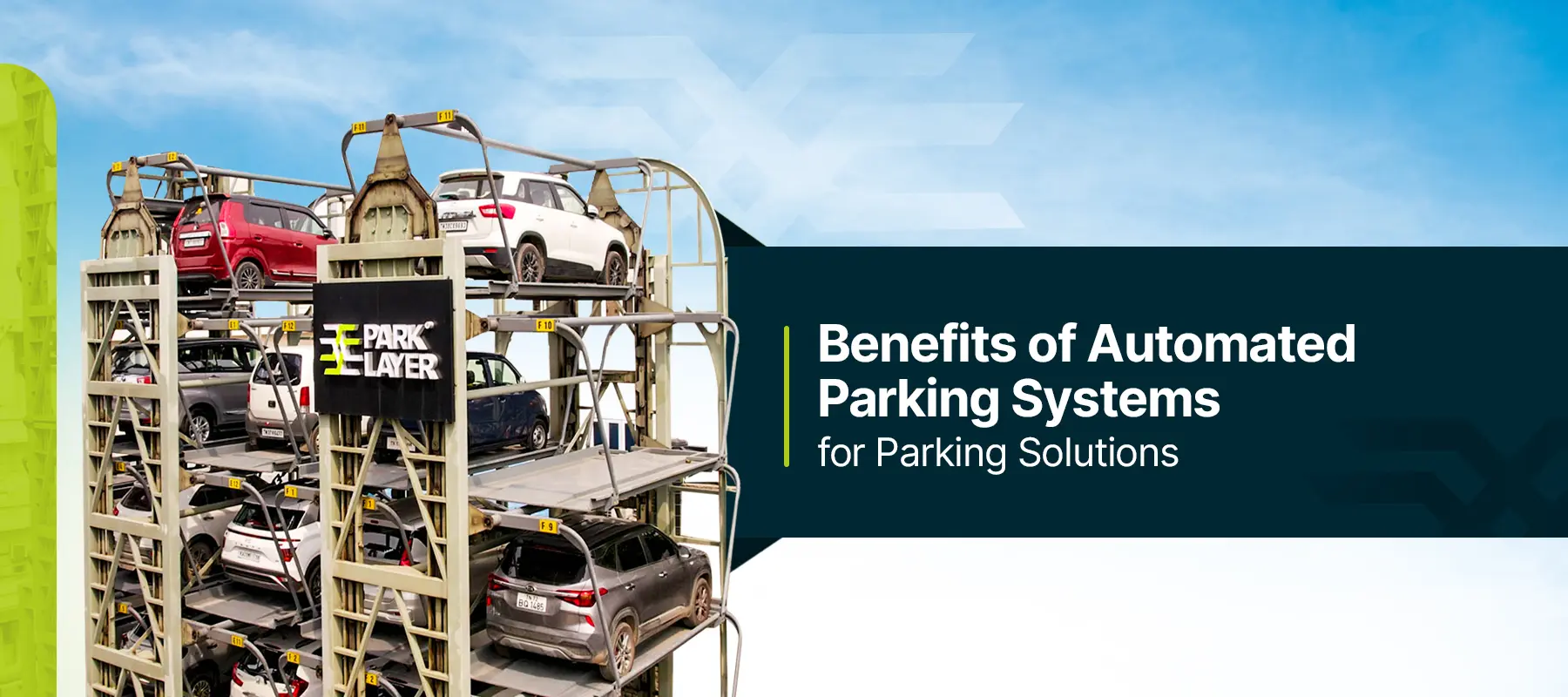
Automated rotary systems take this further by stacking vehicles vertically within a compact footprint, parking 6 to 12 vehicles in the space of just 2 conventional spots. For high-rise residential towers, gated communities with 100 or more units, and commercial complexes where every square foot has a price, this change in parking geometry changes the entire project economics.
A better experience for residents and customers
When it comes to residential developments, parking is an everyday interaction. For example, if a resident spends ten minutes trying to get through the crowded basement ramp every single morning, they would be carrying the stress of this frustration through the entire day. In premium residential towers in Mumbai, Bengaluru, Pune, and Delhi NCR, automated parking systems have become a value-added feature which both developers and consumers search for to make a premium project.
In commercial developments, there is a direct link between footfall and parking. A customer who does not manage to find parking in five minutes or less will probably decide to shop at some other place. In commercial buildings, automated parking systems have proved to be an effective way to enhance the user experience.
Fewer people needed to run it
Conventional parking lots require attendants to direct vehicles, manage queues, handle payments, and deal with disputes over damaged vehicles.
Automated systems eliminate most of this. The process is mechanised from entry to retrieval, which means lower ongoing staffing costs and fewer points of human error. For a large residential society or commercial complex running a parking operation 16 to 18 hours a day, the labour savings over a 15-year system lifespan are substantial.
Vehicle safety without the risk of human error
In a conventional parking facility, scratches, dents, and minor collisions from attendants or other drivers are a routine source of complaints. Automated systems remove human handling from the process entirely. Once the driver leaves the entry bay, the vehicle is managed mechanically until it is returned. No other vehicles or people are in contact with it during storage. For vehicle owners who have invested significantly in their cars, this is a meaningful distinction.
A stronger case for the project overall
Fully automated parking systems now account for 60 percent of the India parking systems market as of 2025, driven by demand for zero-intervention parking technologies across commercial and residential developments. Developers who incorporate automated systems are increasingly finding that buyers, tenants, and institutional investors view the presence of well-designed parking infrastructure as a marker of project quality.
Beyond the immediate building, there is also a compliance dimension. Various Indian states are tightening parking regulations that mandate specific allocations per unit or per square foot of commercial space. Automated systems allow developers to meet and in many cases exceed these norms without sacrificing buildable area to conventional ramp structures.
An asset that earns beyond parking
In high-footfall commercial locations, the exterior panels of a parking structure are also a source of advertising revenue. Brands seeking roadside visibility in busy commercial corridors are willing to pay premium rates for panel placement on a structure that sits on a main road with consistent daily traffic. For developers, this means the parking investment begins generating returns beyond its primary function.
The Parklayer difference
Parklayer's automated rotary systems are engineered on Korean technology for high reliability and zero downtime, with a service network active across India and a commitment to 8-hour response on any service call. The system's first installation in India, at Aqua Sub, has been in continuous operation since 2013, a real-world demonstration of what the right engineering standard delivers over time.
For residential and commercial developers making long-term infrastructure decisions, automated parking is no longer the premium option. It is increasingly the practical one.
© 2026. Parklayer Pvt Ltd. All rights reserved.